News

Showing 21 results for Researcher: Timothy J. Tschaplinski

  • ORNL Placeholder Image

    August 5, 2025

    5 MIN READ

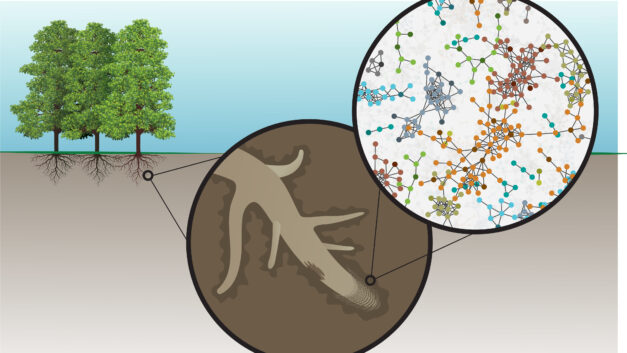
    Scientists at ORNL conducted a meticulous analysis of the compounds released by plant roots into their surrounding environment. The analysis yielded an abundance of data that can guide research aiming to improve the way we grow energy and food crops.

  • ORNL Placeholder Image

    October 26, 2023

    2 MIN READ

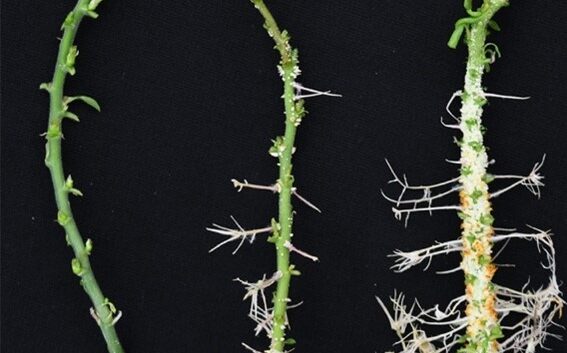
    Oak Ridge National Laboratory scientists identified a gene “hotspot” in the poplar tree that triggers dramatically increased root growth. The discovery supports development of better bioenergy crops and other plants that can thrive in difficult conditions while storing more carbon belowground.

  • ORNL Placeholder Image

    March 20, 2023

    1 MIN READ

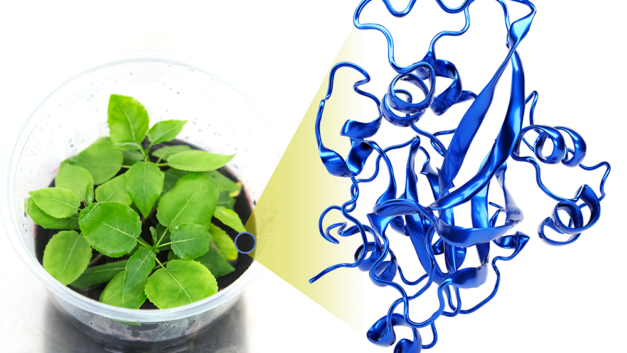
    ORNL researchers have identified specific proteins and amino acids that could control bioenergy plants’ ability to identify beneficial microbes that can enhance plant growth and storage of carbon in soils.

  • ORNL Placeholder Image

    October 4, 2021

    1 MIN READ

    An ORNL team has successfully introduced a poplar gene into switchgrass, an important biofuel source, that allows switchgrass to interact with a beneficial fungus, ultimately boosting the grass’ growth and viability in changing environments.

  • ORNL Placeholder Image

    July 22, 2019

    4 MIN READ

    In the search for suitable plants for biofuels production, ORNL scientists noticed that successful candidates had something in common: They had all formed a mutually beneficial relationship with soil fungi.

  • ORNL Placeholder Image

    July 23, 2018

    4 MIN READ

    OAK RIDGE, Tenn., May 2, 2018—The search for a more energy efficient and environmentally friendly method of ammonia production for fertilizer has led to the discovery of a new type of catalytic reaction. Researchers at the Department of Energy’s Oak Ridge National Laboratory used nanoscale spikes...

  • ORNL Placeholder Image

    June 15, 2018

    5 MIN READ

    For decades, biologists have believed a key enzyme in plants had one function—produce amino acids, which are vital to plant survival and also essential to human diets. But for Wellington Muchero, Meng Xie and their colleagues, this enzyme does more than advertised. They had run a series of

1
2