News

Showing 25 results for Researcher: Vyacheslav Bryantsev

  • ORNL Placeholder Image

    June 17, 2025

    5 MIN READ

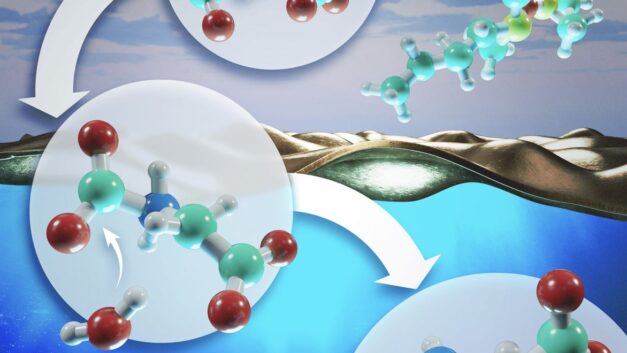
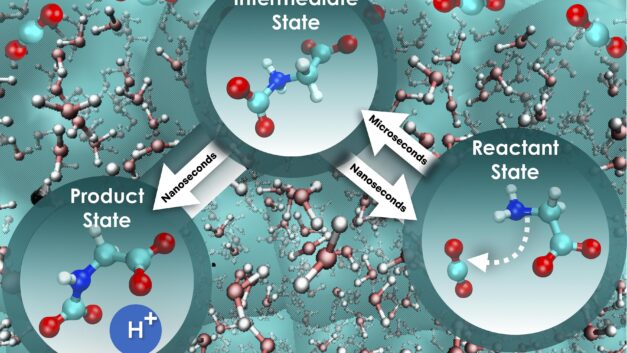
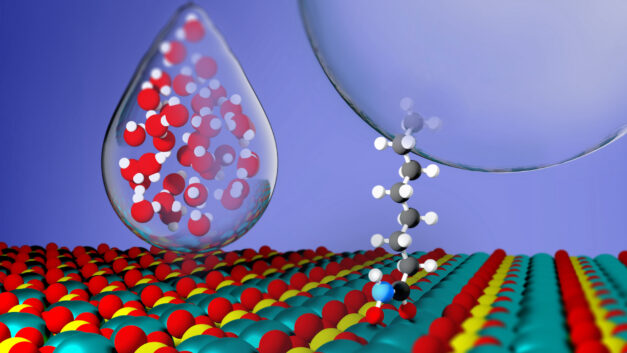
    Using the now-decommissioned Summit supercomputer, researchers at ORNL ran the largest and most accurate molecular dynamics simulations yet of the interface between water and air during a chemical reaction. The simulations have uncovered how water controls such chemical reactions by dynamically coupling with the molecules involved in the process.

  • ORNL Placeholder Image

    August 12, 2024

    1 MIN READ

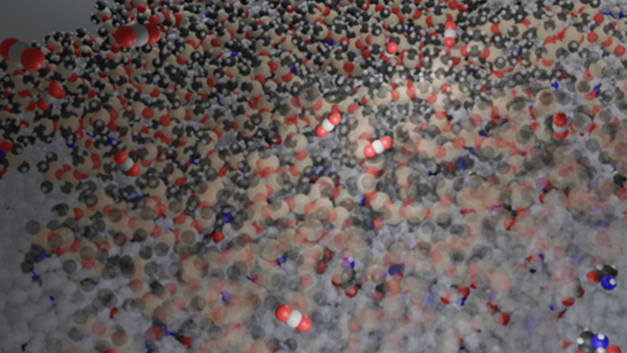
    Researchers at ORNL have demonstrated that small molecular tweaks to surfaces can improve absorption technology for direct air capture of carbon dioxide. The team added a charged polymer layer to an amino acid solution, and then, through spectroscopy and simulation, found that the charged layer can hold amino acids at its surface.

  • ORNL Placeholder Image

    June 14, 2024

    2 MIN READ

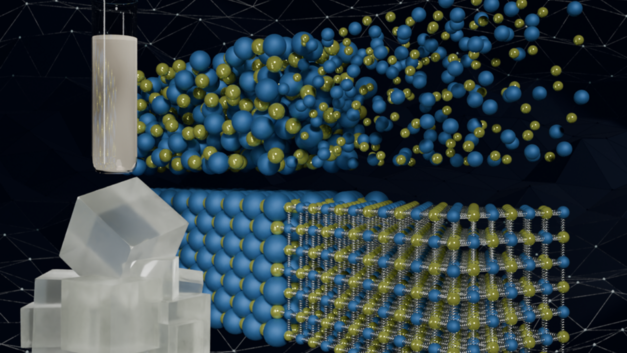
    An Oak Ridge National Laboratory team revealed how chemical species form in a highly reactive molten salt mixture of aluminum chloride and potassium chloride by unraveling vibrational signatures and observing ion exchanges.

  • ORNL Placeholder Image

    October 19, 2023

    5 MIN READ

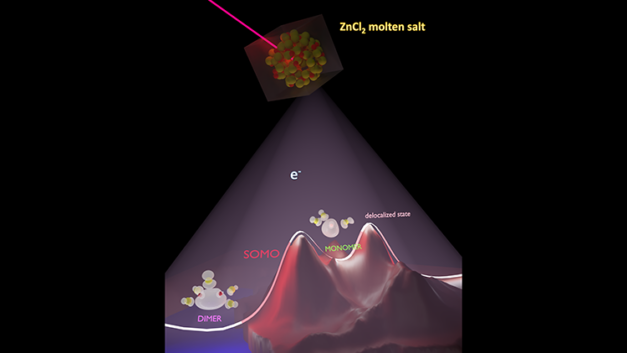
    In a finding that helps elucidate how molten salts in advanced nuclear reactors might behave, scientists have shown how electrons interacting with the ions of the molten salt can form three states with different properties. Understanding these states can help predict the impact of radiation on the performance of salt-fueled reactors.

  • ORNL Placeholder Image

    January 24, 2023

    1 MIN READ

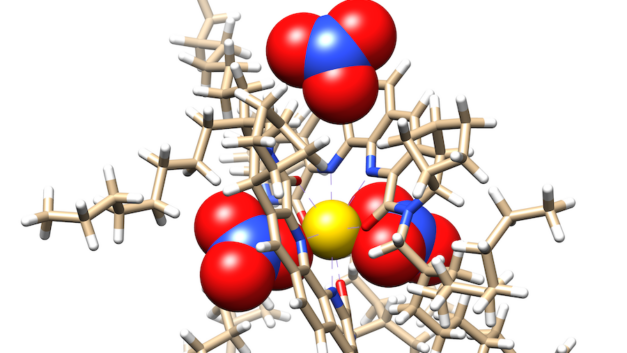
    Critical Materials Institute researchers at Oak Ridge National Laboratory and Arizona State University studied the mineral monazite, an important source of rare-earth elements, to enhance methods of recovering critical materials for energy, defense and manufacturing applications.

  • ORNL Placeholder Image

    September 6, 2022

    1 MIN READ

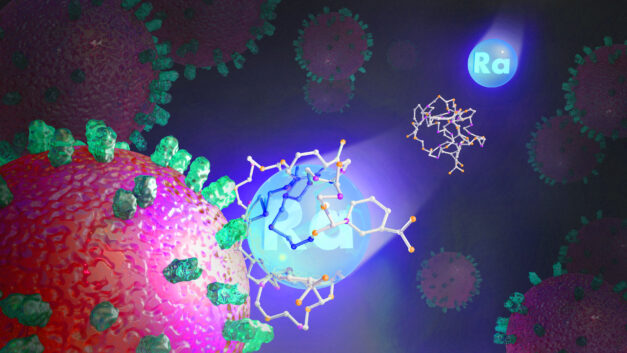
    Researchers at ORNL explored radium’s chemistry to advance cancer treatments using ionizing radiation.

1
2
3