News

Showing 8 results for Researcher: Volker S. Urban

  • ORNL Placeholder Image

    January 31, 2023

    1 MIN READ

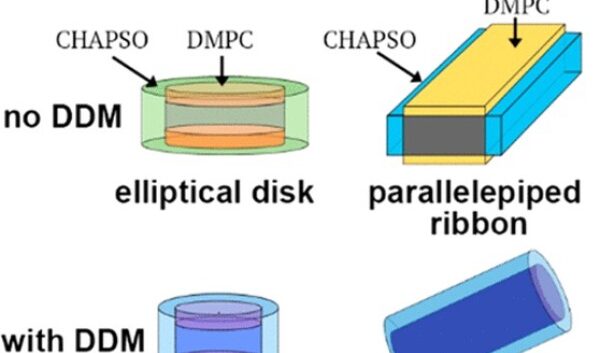
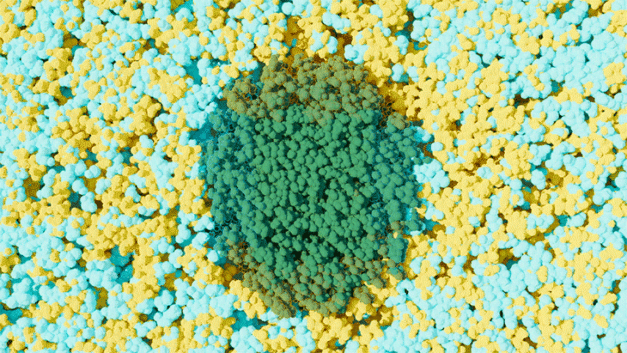
    It is shown that presence of dodecylmaltoside (DDM) detergent changes lipid bicelle self-assemblies from anisometric geometry to less ordered, smaller-dimensioned and more isometric self-assemblies.

  • ORNL Placeholder Image

    June 19, 2019

    5 MIN READ

    Scientists from the National Institute of Standards and Technology (NIST) and the University of Maryland are using neutrons at Oak Ridge National Laboratory (ORNL) to capture new information about DNA and RNA molecules and enable more accurate computer simulations of how they interact with everything from proteins to viruses.

  • ORNL Placeholder Image

    February 22, 2019

    6 MIN READ

    Yue Yuan, a second-year PhD student at NC State University’s Wilson College of Textiles, is working to create textiles that filter carbon dioxide (CO2) by using the latest scientific techniques in synthesis and imaging. Known as biocatalytic textiles, these materials could serve as sustainable scrubbers for CO2 capture by using enzymes trapped in bio-based polymers to catalyze the hydration of CO2.

  • ORNL Placeholder Image

    August 23, 2018

    3 MIN READ

    Kushol Gupta hopes to beat HIV’s defenses. A research assistant professor from the University of Pennsylvania’s Perelman School of Medicine, Gupta recently concluded an experiment at the Department of Energy’s (DOE’s) Oak Ridge National Laboratory (ORNL) he hopes will improve allosteric inhibitors of integrase (ALLINIs), a new class of HIV-fighting drug that inhibits the virus’s ability to reproduce.

  • ORNL Placeholder Image

    February 26, 2018

    4 MIN READ

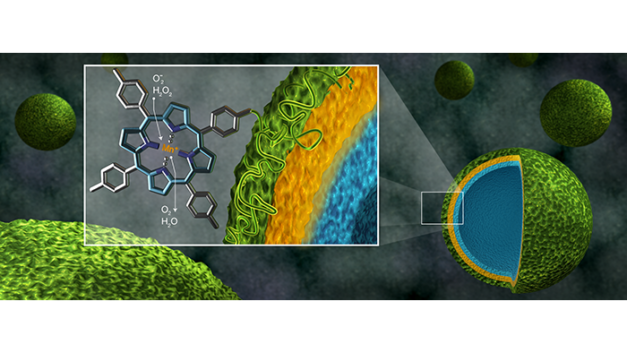
    Many natural and synthetic antioxidants help defend the body against oxidative stress—a biochemical imbalance that can damage cells and lead to illnesses such as diabetes, Alzheimer’s and cancer. However, these materials can become unstable and less effective over time. A new ...

  • ORNL Placeholder Image

    July 8, 2010

    3 MIN READ

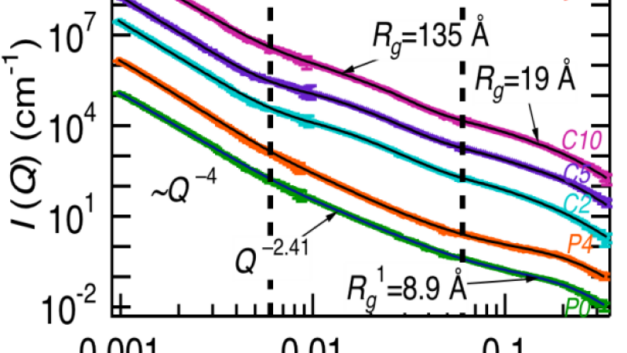
    The generation of bioethanol from lignocellulosic biomass holds great promise for renewable and clean energy production. However, this type of biomass is a complex, composite biological material that shows significant recalcitrance to enzymatic breakdown into sugars that can be used for fermentation, currently making it cost-ineffective as an ethanol source. The present research provides insight into the consequences of dilute acid pretreatment of biomass through direct observation by small-angle neutron scattering (SANS) of structural features in cellulose extracted from switchgrass over length scales from 10 to 6000 Å.