News

Showing 7 results for Researcher: Dana Lynn L. Carper

  • ORNL Placeholder Image

    August 6, 2026

    6 MIN READ

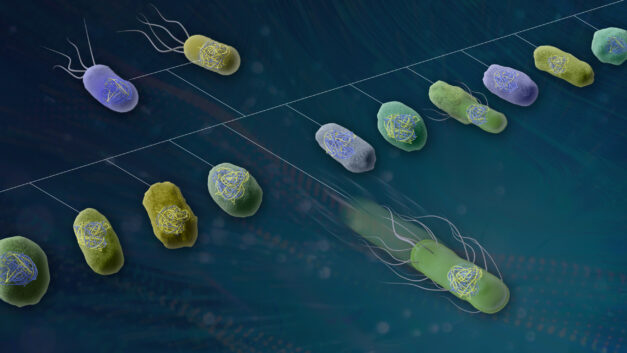
    Oak Ridge National Laboratory researchers developed a high-throughput microbial QTL mapping platform that combines synthetic biology, AI, automation and gene editing to identify the genetic basis of complex bacterial traits up to 10 times faster than previous methods. The platform enables more precise engineering of microbes for applications including specialty chemicals manufacturing, bioenergy and critical minerals recovery, and is available for licensing.
  • ORNL Placeholder Image

    August 5, 2025

    5 MIN READ

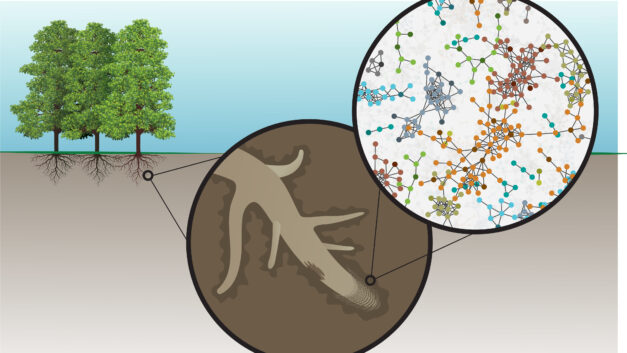
    Scientists at ORNL conducted a meticulous analysis of the compounds released by plant roots into their surrounding environment. The analysis yielded an abundance of data that can guide research aiming to improve the way we grow energy and food crops.

  • ORNL Placeholder Image

    May 13, 2025

    3 MIN READ

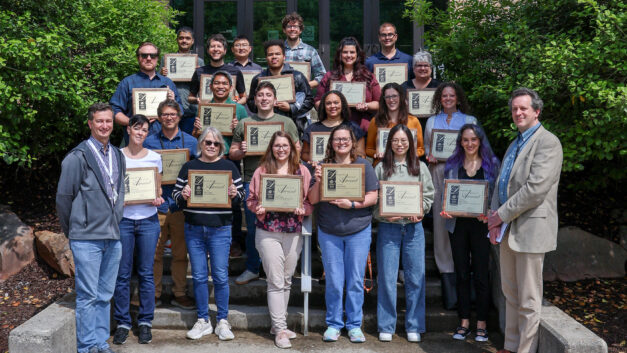
    The Biosciences Division conferred its 2025 Distinguished Achievement Awards for excellence in both science and technology and research support areas. The peer-nominated awards were announced by Division Director Jesse Labbé at the organization’s May 13 all-hands meeting.

  • ORNL Placeholder Image

    May 5, 2025

    2 MIN READ

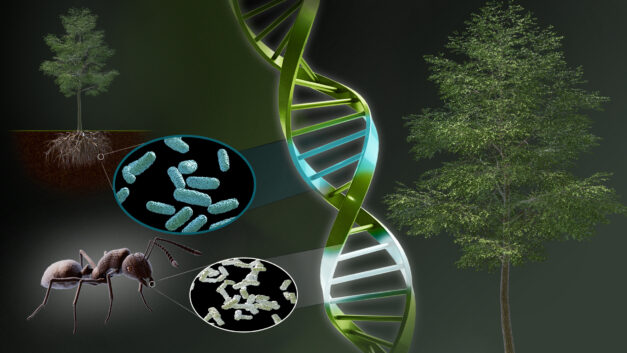
    Scientists at Oak Ridge National Laboratory and the University of Colorado Boulder used a gene-silencing tool and a large library of molecular guides to understand how photosynthetic bacteria adapt to light and temperature changes. They found that even partial suppression of certain genes yielded big benefits in modifying the stress response of wild microbes.

  • ORNL Placeholder Image

    December 3, 2024

    8 MIN READ

    A team of scientists with two Department of Energy Bioenergy Research Centers — the Center for Bioenergy Innovation at Oak Ridge National Laboratory and the Center for Advanced Bioenergy and Bioproducts Innovation at the University of Illinois Urbana-Champaign — identified a gene in a poplar tree that enhances photosynthesis and can boost tree height by about 30% in the field and by as much as 200% in the greenhouse.