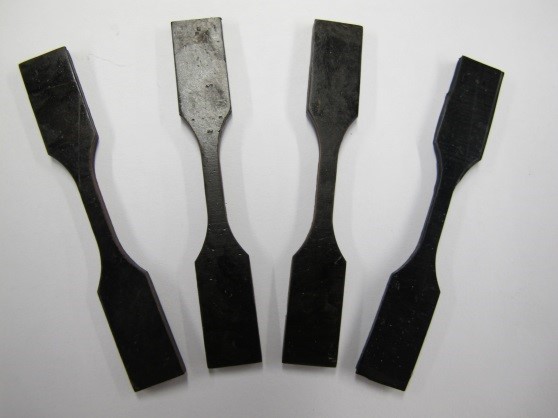
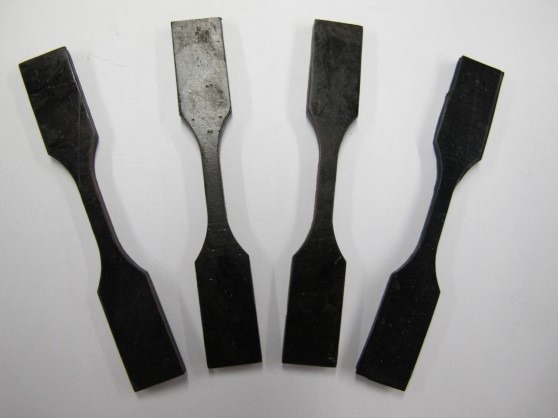
Scientists have developed a process for mixing unmodified lignin with general-purpose rubber and other components that yields high-performance renewable thermoplastics containing up to 41 percent of lignin content. The Oak Ridge National Laboratory-led research team tested two combinations of materials using different lignin varieties resulting in samples that were either “stretchy” or demonstrated tensile strength comparable to glassy plastic such as acrylonitrile butadiene styrene, or ABS. By using low-cost additives, the sturdy lignin was broken down through the mixing method that bypasses expensive, and often chemically intensive, pre-processing typically required for lignin to be viable. The ORNL-developed bio-derived materials could be suitable for automotive and household applications. Details of the project were published in Green Chemistry.
Related Researchers